

Best practices to make the most out of Flotiq
Understanding Flotiq: an overview
Flotiq is a versatile headless CMS that boasts an open API structure. This unique design enables it to easily integrate with an array of different technologies, languages, and frameworks, making it a CMS powerhouse.
Its robust functionalities and user-friendly interface make it an ideal choice for content management.
Discover how to build
Better products with FlotiqStart for Free
Getting started with Flotiq
Getting started with Flotiq is quite straightforward. After signing up and setting up your account, take some time to familiarize yourself with the dashboard.
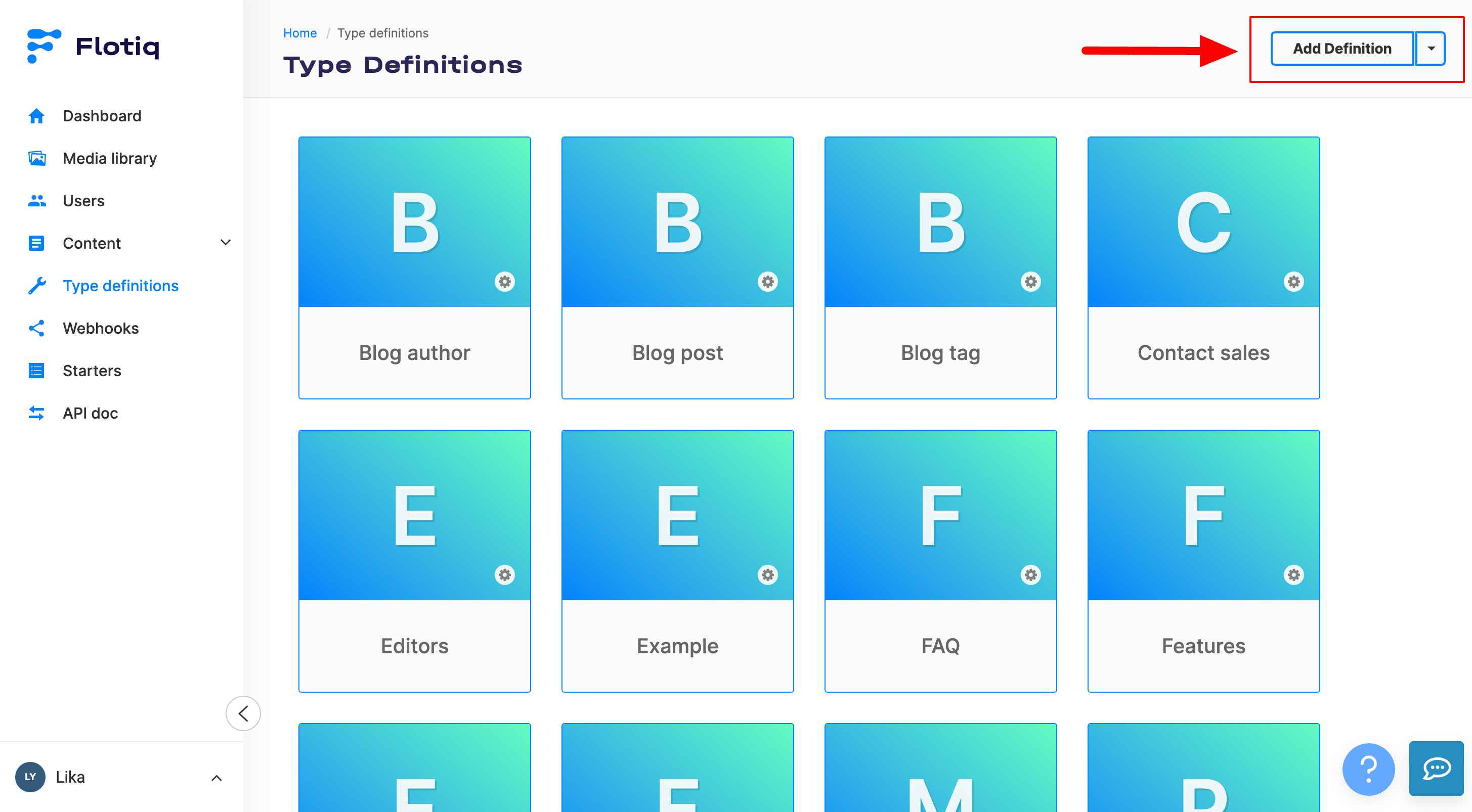
Here, you can create your first Content Type Definition (CTD) - a process that sets the foundation for your project.
Leveraging Flotiq's OpenAPI
Open API is a game-changer in the tech industry, and Flotiq is a prime example of its power.
The open API structure inherent in Flotiq offers unparalleled flexibility and adaptability. Whether you are a developer or a content manager, this feature can help you customize and streamline your operations.
We encourage you to spend some time understanding the how to get started with API and testing API endpoints to ensure smooth operation.
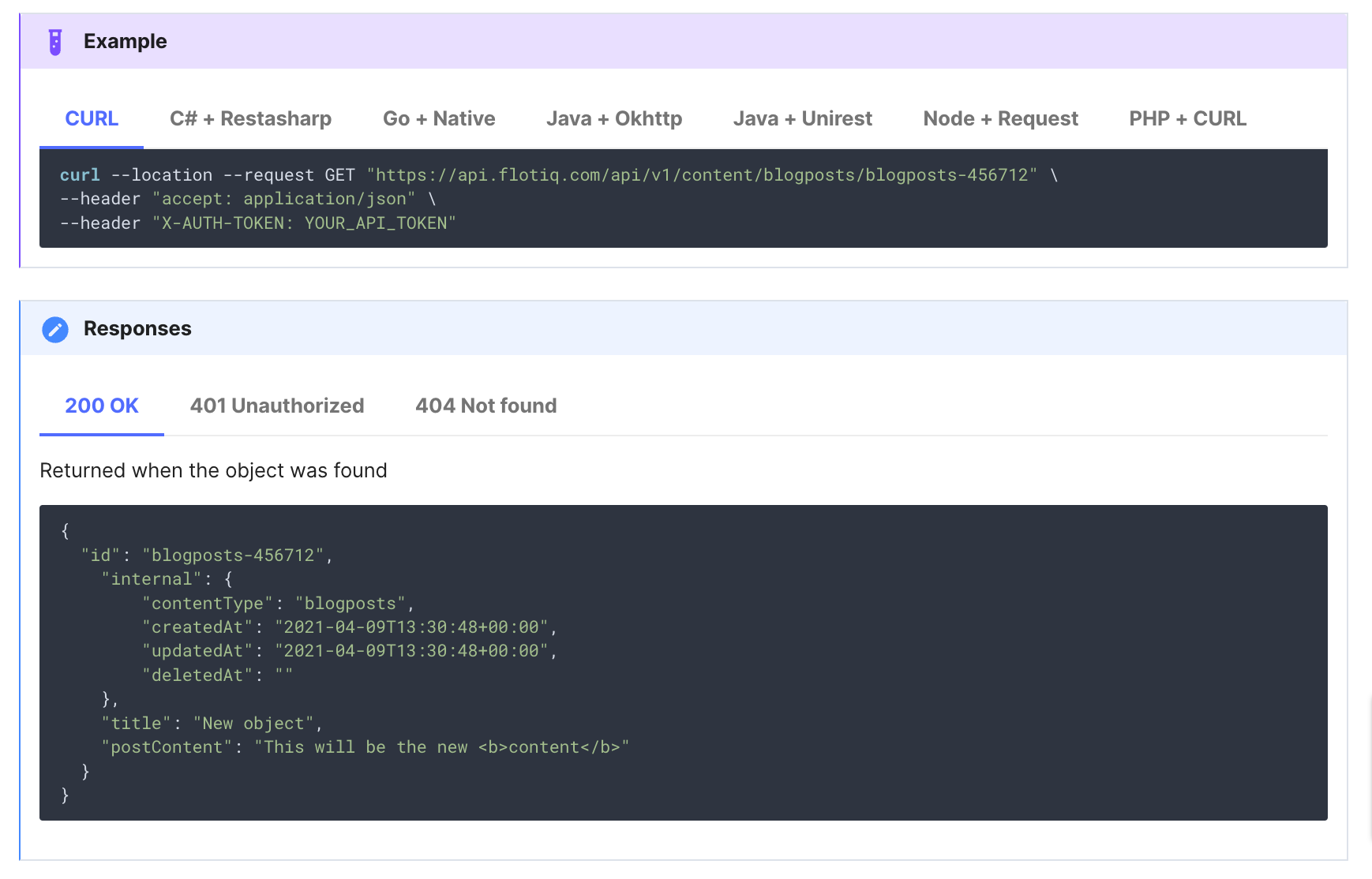
Flotiq's Open API also encourages a more collaborative approach. Since it's language-agnostic, developers using different programming languages can work on the same project without facing compatibility issues.
This creates a harmonious workflow, reduces development time, and results in a more robust end product.
Integration with different technologies, languages, and frameworks
One of the key benefits of Flotiq is its seamless integration with various technologies.
Whether you are working with Python, JavaScript (React, Vue, Node.js), PHP, or .NET, Flotiq has got you covered.
Be sure to check our documentation section about integration, such as Connecting your Flotiq account to Gatsby Cloud, Zapier Integrations or Heroku.
Maximizing your use of Flotiq
Making the most out of any CMS requires a good understanding of its features and capabilities.
Here are some CMS best practices that can help you maximize your use of Flotiq:
1. Regularly Updating Your Content Type Definitions (CTDs): Content is dynamic, and so should be your content type definitions. Regularly review and update your CTDs to ensure they align with your evolving content needs. This will not only ensure your content is well-structured but also enhance the functionality of your projects.
2. Leveraging Flotiq's Advanced Features: Flotiq comes with a myriad of advanced features that can drastically enhance your content management efforts. This includes multi-language support, which enables you to reach a wider audience. Other features like the visual API query builder can help you to streamline your content delivery.
3. Efficient Troubleshooting: Technical hitches are almost inevitable when working with CMS. Being able to identify and troubleshoot common issues is therefore crucial. Luckily, Flotiq has an extensive help center and an active community to help you navigate any challenges you might face.
4. Optimize Content for SEO: Flotiq provides tools to help optimize your content for search engines. Use these features to improve your content's visibility and reach on the internet.
5. Use Workflow States: Flotiq offers workflow states like Draft, Published, and Archived. Use these statuses to manage and organize your content more efficiently.
6. Use Media Library: Flotiq’s media library is a powerful tool that can help you manage your multimedia content. Use it to store, access, and use images and other media files efficiently.
7. Master the Use of Flotiq’s Content Filter: Flotiq's content filter feature allows you to search and filter your content quickly. It's a powerful tool for managing and locating your content.
8. Utilize Webhooks and Integrations: Flotiq's open API structure allows for a variety of third-party integrations. Webhooks, for example, can be used to automate actions in your Flotiq account based on triggers from other applications. This can help you create more efficient workflows.
By adopting these practices, you can truly tap into the potential of Flotiq and streamline your content management process.
Community and support
Never underestimate the power of a strong community.
The Flotiq Discord community gathers the users eager to share knowledge, solve problems, and collaborate. This rich network provides a great platform to learn, share experiences, and connect.
Beyond the community support, Flotiq also offers professional customer service to help you swiftly navigate any challenges you encounter. Our support team is readily available to address your queries and ensure a smooth user experience.
These resources are there to help you utilize Flotiq to its fullest potential, enhancing your overall experience and project outcomes.
To sum up…
Flotiq is a robust, versatile headless CMS that can significantly streamline your content management processes.
By following the CMS best practices outlined in this guide, understanding how to use this CMS, and leveraging its advanced features, you can maximize your productivity and achieve your project goals.
Ready to harness the power of Flotiq? Sign up today and start building!
Don't forget to share your experiences and projects built using Flotiq. Your insights might be the CMS tips someone else needs to bring their project to life!
Discover how to build
Better products with FlotiqStart for Free
References and Further Reading
Continue exploring the benefits of Flotiq integration with JAMstack: